



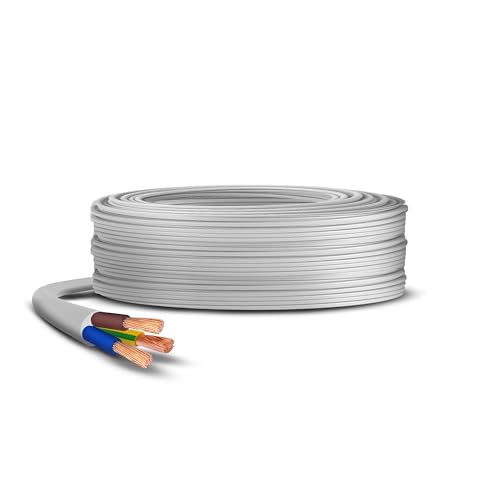
List of Floor Cable Duct Manufacturers and Suppliers in the United Kingdom
1.D-Line**
- Description: A leading manufacturer of cable management solutions, including floor cable ducts.
- Website: https://www.d-line-it.com
- Address: D-Line, Unit 4, The Old Mill, London Road, St Albans, AL1 1PQ, United Kingdom
2. Havells Sylvania
- Description: Supplier of electrical accessories and cable management products, including floor ducts.
- Website: https://www.havells-sylvania.co.uk
- Address: Havells Sylvania UK Ltd, 3rd Floor, 33 Holborn, London EC1N 2HT, United Kingdom
3. Legrand
- Description: Global manufacturer offering a range of electrical wiring devices and cable management systems.
- Website: https://www.legrand.co.uk
- Address: Legrand UK & Ireland Ltd, Building 4, Maylands Avenue, Hemel Hempstead HP2 7TG, United Kingdom
4. MK Electric (Moeller)
- Description: Well-known for electrical wiring accessories and cable management solutions.
- Website: https://www.mkelectric.co.uk
- Address: MK Electric Ltd, P.O. Box 11, Newbury RG14 5SH, United Kingdom
5. ABB
- Description: Provides a wide range of electrical products including cable ducts and conduits.
- Website: https://new.abb.com/uk
- Address: ABB Ltd., PO Box 1319, Milton Keynes MK13 8PH, United Kingdom
6. Eland Cables
- Description: Distributor of electrical cables and cable management systems including floor ducts.
- Website: https://www.elandcables.com
- Address: Eland House, The Courtyard Business Park, West Way, Witney OX28 1LF, United Kingdom
7. Cablofil (by Schneider Electric)
- Description: Manufacturer specializing in cable tray and ducting systems.
- Website: https://www.schneider-electric.co.uk
- Address: Schneider Electric UK Ltd., Oak View House, Oak View Close, Basingstoke RG24 8WA, United Kingdom
Note: For specific product inquiries or regional distributors within the UK, it is recommended to contact the manufacturers directly through their websites or authorized dealer networks.
Understanding Cable Ducting and Floor Boxes
In today’s technologically advanced environments, the efficient management of electrical cables and connections is vital, both in residential and commercial settings. Cable ducting and floor boxes serve as essential components in this process. Cable ducting is a system designed to conceal and route electrical wires and cables in a safe and organized manner. Meanwhile, floor boxes are electrical outlets installed within the floor, offering convenient access to power and data connections. Together, they play a critical role in maintaining an uncluttered and safe environment.


The primary purpose of cable ducting is to protect cables from potential damage, thereby ensuring durability and longevity. This protection is essential, especially in high-traffic areas where cables might be exposed to risk. Similarly, floor boxes enhance safety by providing a designated area for electrical connections, reducing trip hazards associated with loose wires running across the floor. Furthermore, both solutions contribute significantly to the organization of cables, allowing for a cleaner and more aesthetically pleasing environment.
One of the key benefits of using cable ducting and floor boxes is the ease of access for maintenance. When cables are neatly organized and contained within ducting or floor boxes, identifying and rectifying issues becomes significantly simpler. This accessibility reduces downtime during maintenance activities and minimizes disruptions in both home and office settings. Additionally, both cable ducting and floor boxes come in various designs, materials, and sizes, catering to diverse requirements. Options range from simple plastic ducts to more durable metal alternatives and stylish floor boxes, providing an array of choices suitable for different applications.
Ultimately, utilizing cable ducting and floor boxes not only enhances safety and organization but also contributes to the overall aesthetics and functionality of spaces. By choosing the appropriate products, property owners can effectively manage their electrical systems while ensuring they meet safety standards and efficiency requirements.
Preparation: Tools and Materials Needed
When engaging in the installation of cable ducting and floor boxes, proper preparation is paramount to ensure a successful outcome. An organized approach begins with gathering the necessary tools and materials. Essential items typically include the following: a measuring tape for accurate measurements of the installation site, a utility knife for cutting through various materials, screws and anchors to secure the ducting and boxes, a power drill for creating holes and driving screws, and safety gear such as goggles and gloves to protect against potential hazards.
Beginning the process with the right tools not only streamlines the installation but also minimizes the risk of errors. Attention should be paid to the specifications of the cable ducting and floor boxes selected, as different models serve various functionalities and aesthetic considerations. Ensure the ducting is compatible with the types of cables intended for use and that the floor boxes are adequate for both the size and number of cables being accommodated.
In addition to physical tools, meticulous planning plays a critical role in the installation process. It is advisable to map out the installation area, taking into account the existing structure and any obstacles that may impede the installation. Accurate measurements are crucial—measure twice to prevent mistakes that could lead to costly adjustments. Consideration should be given not only to functionality but also to design elements that integrate well with the surrounding environment.
Consulting with professionals or seeking advice from experienced individuals in the field may also enhance the efficacy of the planning stage. By ensuring that you are well-equipped and informed, you are setting a solid foundation for a smooth installation process of cable ducting and floor boxes.
Step-by-Step Installation Process
The installation of cable ducting and floor boxes requires careful planning and execution to ensure safety and efficiency. The first step begins with marking the installation layout on the floor. It is essential to determine the desired location for the floor boxes, ensuring they are strategically placed for accessibility and compliance with electrical standards. Utilizing a chalk line or measuring tape can facilitate precise markings, allowing for a clearer visual representation of the project layout.
Once the layout is marked, the next phase involves cutting the cable ducting material. It is advisable to select the appropriate ducting materials based on the specific requirements of the installation site. For instance, PVC or aluminum options are common, each providing distinct benefits. Using a saw designed for the chosen material will ensure clean and accurate cuts. Safety precautions, such as wearing protective gear and working in a well-ventilated area, are crucial to mitigate potential hazards during this process.
After preparing the ducting, the subsequent step is to secure the floor boxes into place. This involves drilling into the marked areas where the floor boxes will be installed. Ensuring the electrical connections are compliant with relevant standards will prevent future issues. Secure the boxes by using screws or bolts, as specified by the manufacturer. A level can be beneficial at this stage to ensure that the floor boxes are installed evenly to maintain aesthetics and functionality.
Lastly, after ducting installation and the positioning of floor boxes are completed, it is important to double-check all connections and fittings. Ensuring that the materials are properly installed will contribute to the durability and safety of the electrical infrastructure. Following this detailed step-by-step guide will lead to a successful installation of cable ducting and floor boxes, ultimately enhancing the functionality of your space.
Maintenance and Troubleshooting Tips
Maintaining cable ducting and floor boxes is essential for ensuring optimal functionality and longevity of the installations. Regular inspections should be scheduled to assess the condition of both components, focusing on any signs of wear or damage. Over time, dust and debris can accumulate within the ducting, which may hinder airflow and impair the operation of cables, leading to potential overheating. It’s advisable to periodically clean the ducts and floor boxes, ensuring that they are free from obstructive materials that could affect performance.
One common issue that may arise with cable ducting systems is overcrowding. If too many cables are run through the ducts, it can lead to a host of problems, including electrical interference and difficulty in accessing individual cables for troubleshooting. To mitigate this, it’s essential to plan the cable layout carefully, allocating sufficient space for each cable to minimize congestion. If overcrowding occurs, consider redistributing cables and utilizing additional ducting to alleviate the issue.
Damage to the ducting is another concern that can compromise the functionality of the cable management system. Factors such as heavy foot traffic, impacts from equipment, or environmental conditions can contribute to wear and tear. In the event of visible damage, immediate repairs must be conducted to prevent further issues. The use of protective coverings can also be beneficial in safeguarding ducting from physical harm.
Accessibility is a critical aspect of cable management. Ensure that floor boxes are easily reachable, allowing for straightforward access when additional wiring or troubleshooting is required. If accessibility concerns arise, consider relocating floor boxes or upgrading to more user-friendly models.
Finally, staying proactive with regular maintenance checks and promptly addressing identified issues can enhance the performance and adaptability of cable ducting and floor boxes across various environments. By following these practical troubleshooting tips and maintenance recommendations, you can ensure that your cable management system functions efficiently for years to come.
Contact information — Please use contact form on http://www.abshot.com/contact/